Loading hero section...

Home
Alabama
Arizona
District of Columbia
Idaho
Maryland
Massachusetts
Michigan
New Mexico
New York
North Carolina
Pennsylvania
South Carolina
West Virginia

More and more, travelers want wellness to be part of their vacation. People work hard all year, and sometimes just need a break. Sightseeing and adventure travel are exciting, but wellness-focused vacations provide a welcome opportunity to recharge.
The Global Wellness Institute claims that in 2025, nearly 20% of travelers surveyed said they will engage in wellness activities during their vacations. These activities may be spa days, workout sessions, or mindfulness sessions.
Wellness travel is different from medical travel where someone makes a trip seeking medical care such as a surgical procedure. It’s more about including experiences that help the guest relax, reduce stress, improve fitness, sleep better, eat better, or reset habits. It may attract both guests who need to improve their health in some way and those already healthy who want their vacation to support their wellbeing.
Whether you want to get much-needed rest and relaxation or kick-start your diet, your personal wellness retreat. If that sounds good to you, here are a few tips to help you plan your vacation.
Yahoo Finance reports one surprising outcome of the COVID-19 pandemic was it inspired a shift in what travelers want from their vacations. More and more seek a getaway that improves their lives in some way, gives them a chance to connect with nature, or to detox from digital life.
Hotels and resort brands like Hilton have hopped on the trend bandwagon, but there is still plenty of room for personal vacation rentals in this space. The nature of wellness travel is highly personalized, tailored to the needs and interests of each guest. Guests value a host with local knowledge and connections with wellness providers like trainers, meditation leaders, and massage therapists.
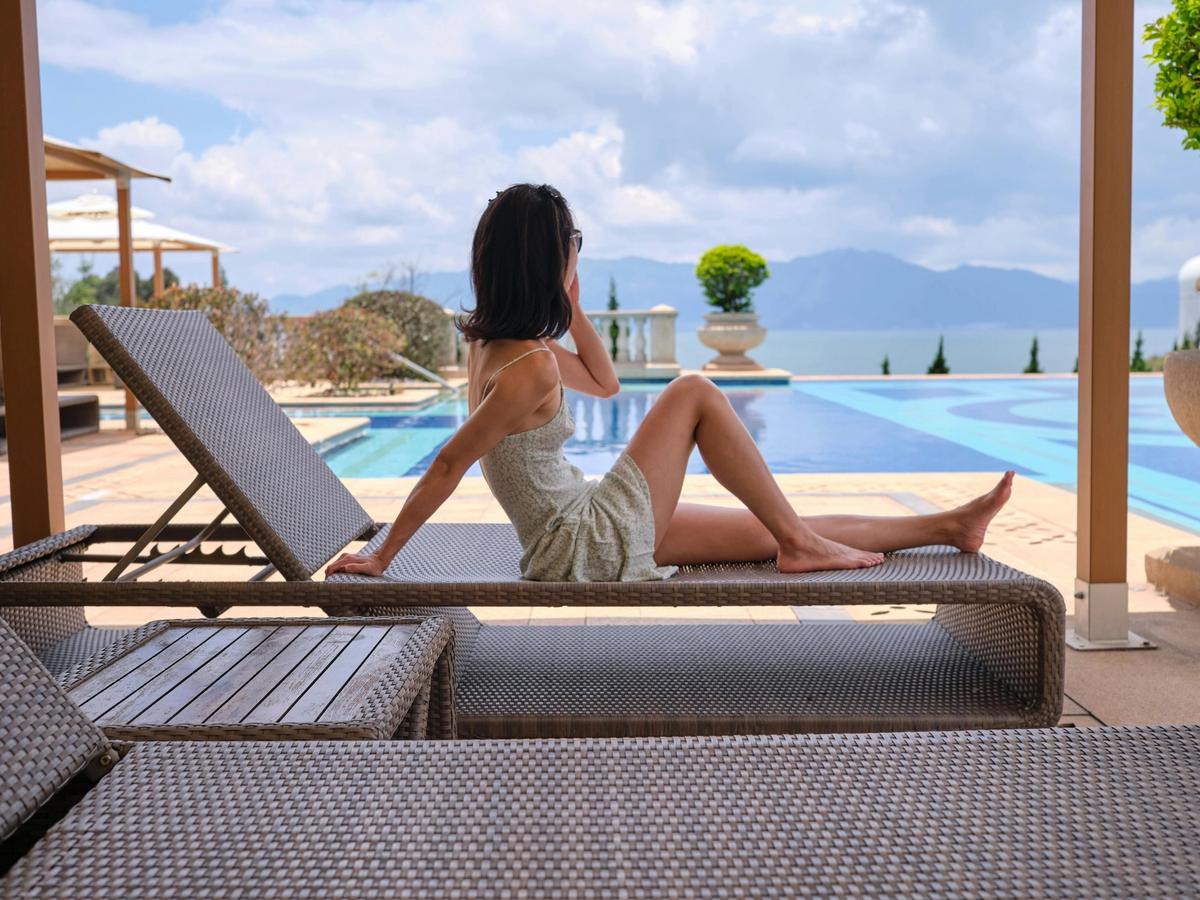
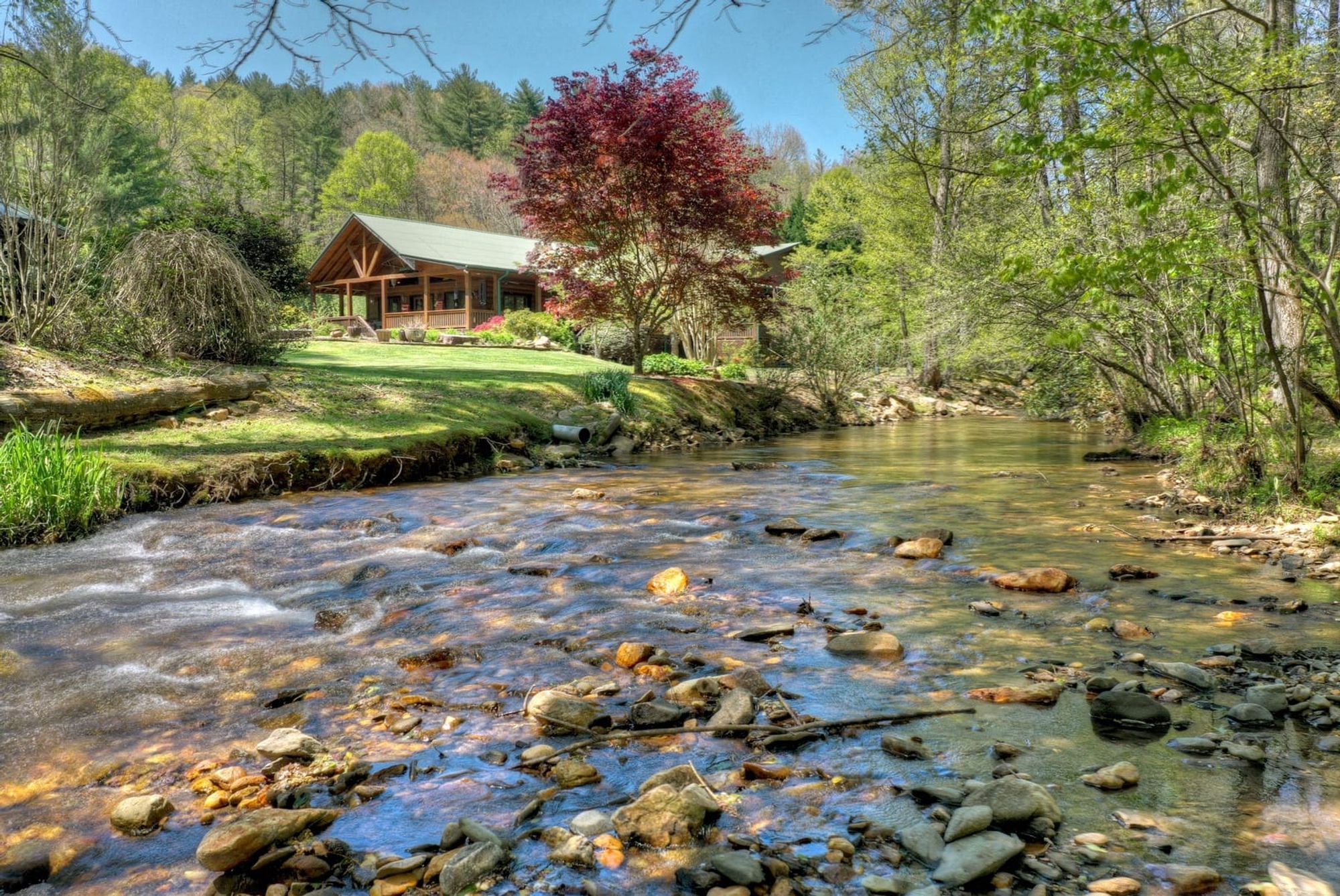
Wellness travel often revolves around destinations with access to nature. Spending time outdoors is restorative. Studies found that forest bathing, known as Shinrin-Yoku in Japan, can actually lower blood pressure and slow heart rate.
A study by the Frontiers in Psychology found that even watching nature videos can lower blood pressure. Imagine the effect of a daily walk on the beach on a scenic mountain trail?
Wellness travelers find a vacation near nature as relaxing as a spa trip. Look for a destination close to natural areas, such as a national park, beach, mountains, or forest. The scenery inspires while the fresh air invigorates.
Finally, consider the climate. Someone who lives in a Northern climate with cloudy winters may prefer to visit a destination in the South with a sunnier climate to get a daily dose of sunshine and vitamin D in winter. Someone who lives in a landlocked city may find visiting a city with an ocean view and a brisk sea breeze refreshing.
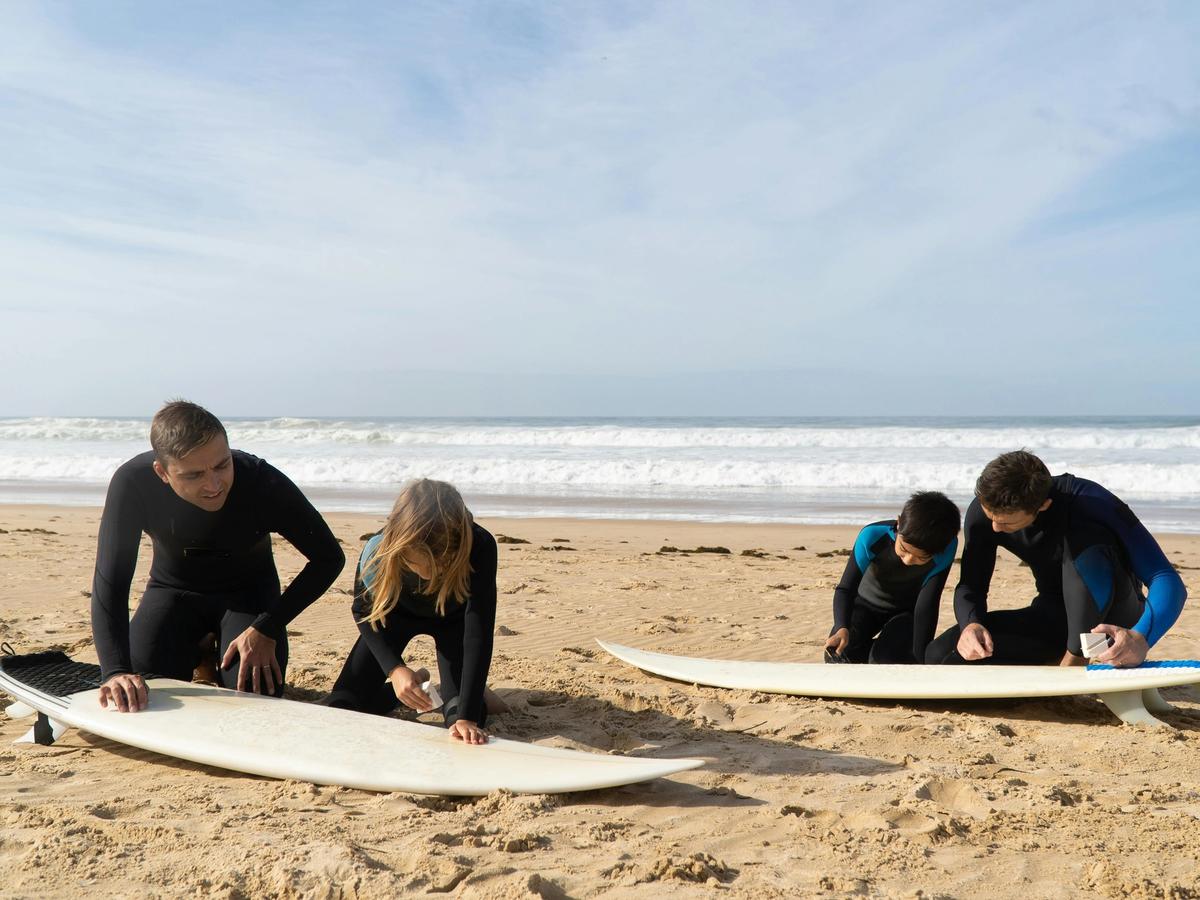
A wellness vacation can give guests a chance to refocus and get a taste for a healthier lifestyle. A study by the Journal of Alternative and Complementary Medicine found that a seven-day trip can have real results. Guests completed a weeklong retreat featuring organic, plant-based foods, vigorous workouts, and restorative practices such as meditation and yoga. Results included lowering blood pressure, modest weight loss, and guests reported better sleep. Researchers followed up over the next six weeks and found guests maintained these results.
Sometimes it’s easier to start new lifestyle habits during a break from work and ongoing commitments.
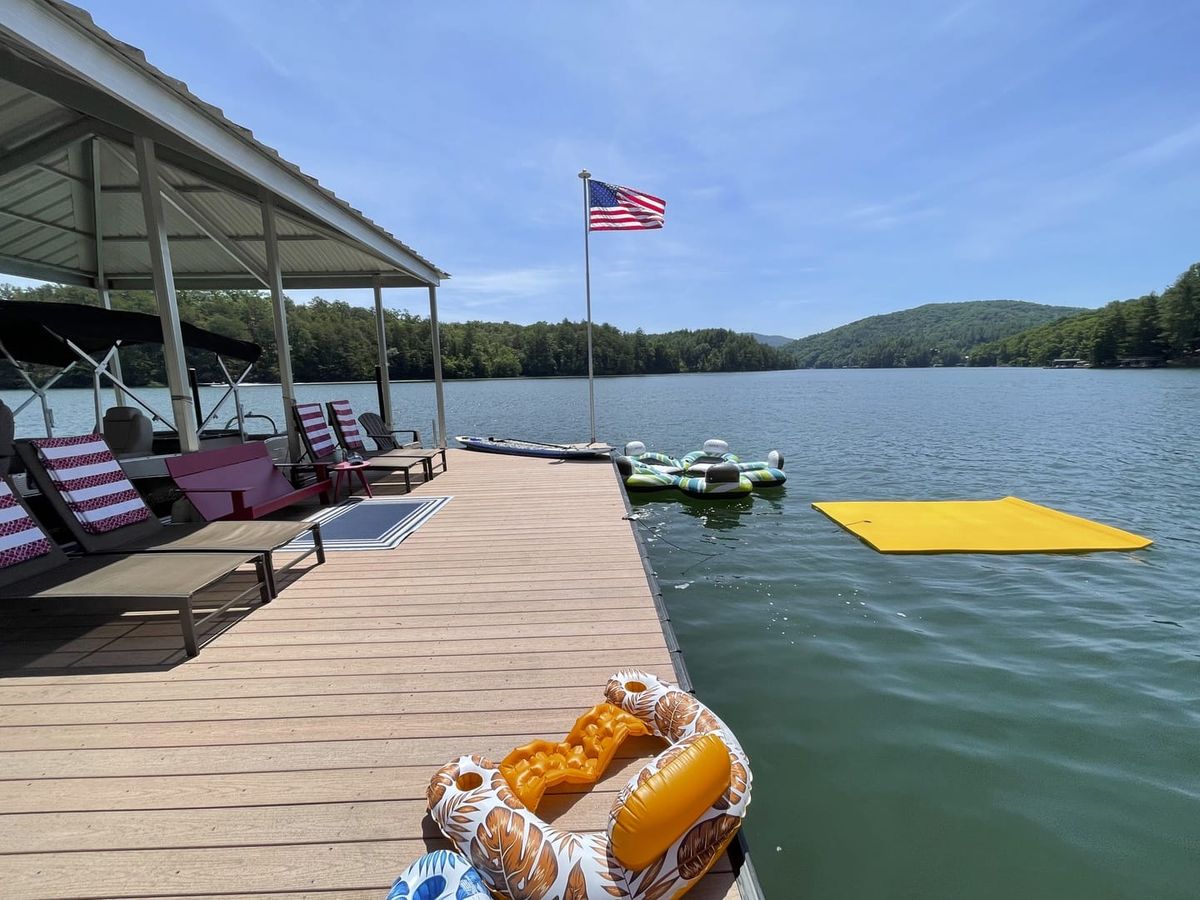
Offering wellness-focused amenities helps property managers attract affluent, health and fitness-conscious travelers. Such guests often like to visit areas with natural splendors, state or national parks, and access to active outdoor recreation. Cities with vibrant fitness, spa, and food cultures may also attract guests who want to combine culture or nightlife with wellness.
Wellness-oriented travelers spend as much as 178% more during domestic travel than standard tourists. They spend on food, experiences like spa visits, lodging that includes amenities like pools or saunas, fitness or active recreation opportunities, or treatments.
Hosts who can help them access the best local options can help them have a better experience than a standard hotel. After all, a vacation rental inherently offers more privacy.
Imagine the power of offering personal concierge services, restaurant recommendations, private hiking tours, or in-house yoga classes. Hosts and property managers have upscale opportunities to create custom packages, tours, or meal plans for health-conscious guests.
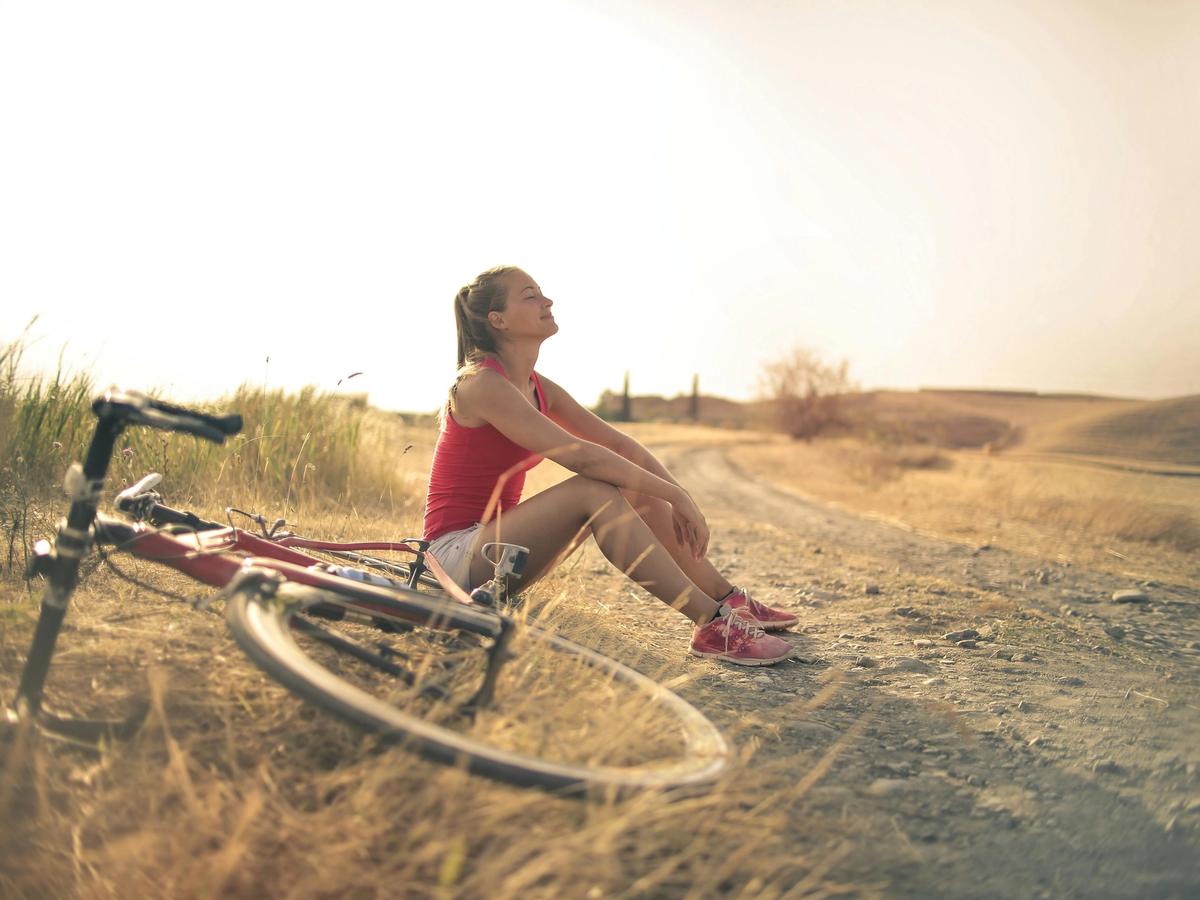
Wellness travel has been around for decades. Traditionally, travelers may stay at a wellness camp or hotel with a spa. A vacation rental is a great alternative for those who prefer a wellness retreat tailored to their personal interests and goals.
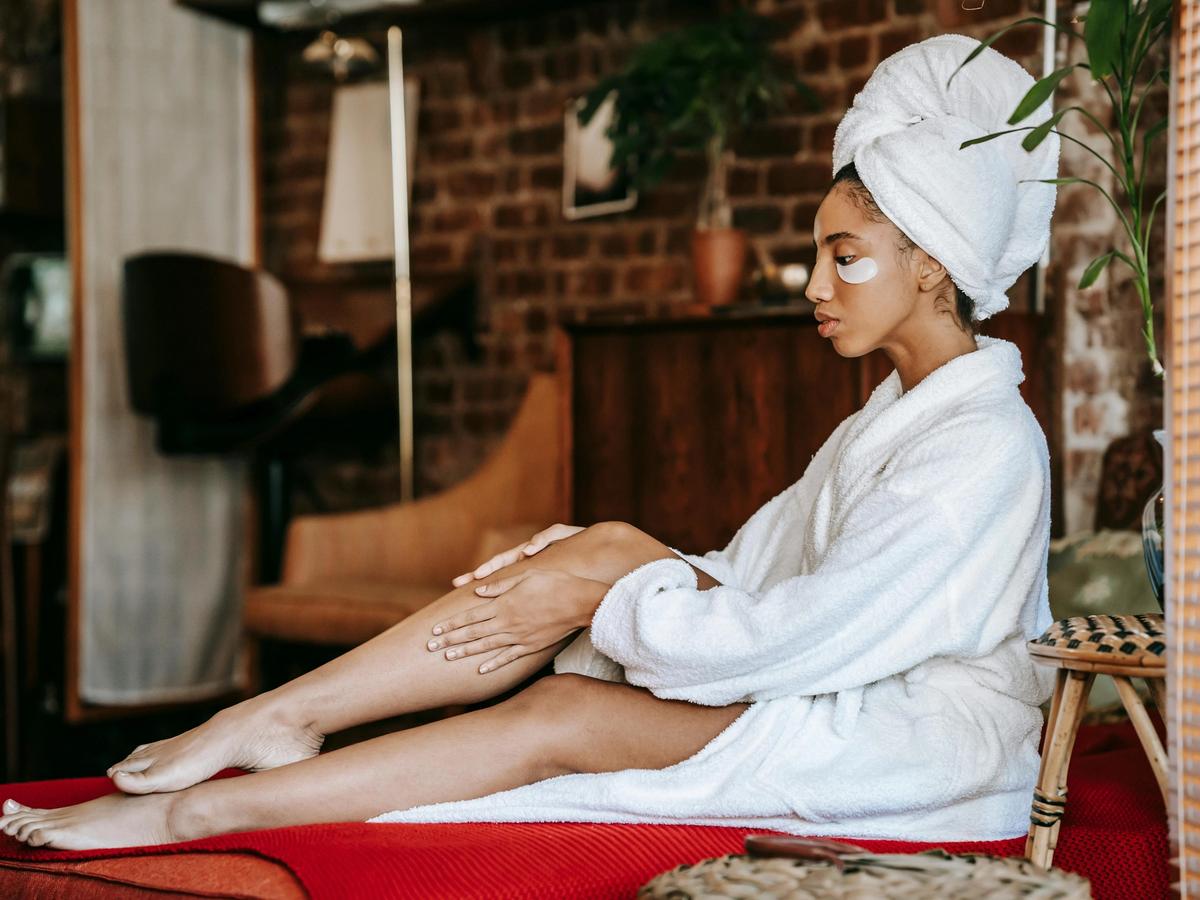
Homes with gorgeous views, soaking tubs, saunas, or private pools make the perfect place for relaxation and self-care.
It's not just about the location and amenities; the home’s decor may create a serene atmosphere. Look at the photos, a home with a soft color palette, ample natural light, a fireplace, and a balcony or other outdoor spaces promotes relaxation. Some may even blackout curtains to ensure a restful night.

Travelers often get better value for their money as well as a unique experience when they choose to stay in a short-term rental rather than a destination spa. This is especially the case when traveling with family or friends.
Guests can plan for the experience you want. For example, most hotel spas allow people to book specific treatments and use amenities even if you aren't staying in their on-site hotel. A local farm-to-table restaurant may provide a tastier, wholesome, organic meal than a hotel restaurant and may even offer private kitchen tours or cooking lessons.
For guests with special dietary needs or restrictions, a vacation rental may be a less stressful way to travel, as it provides access to a private, fully equipped kitchen.
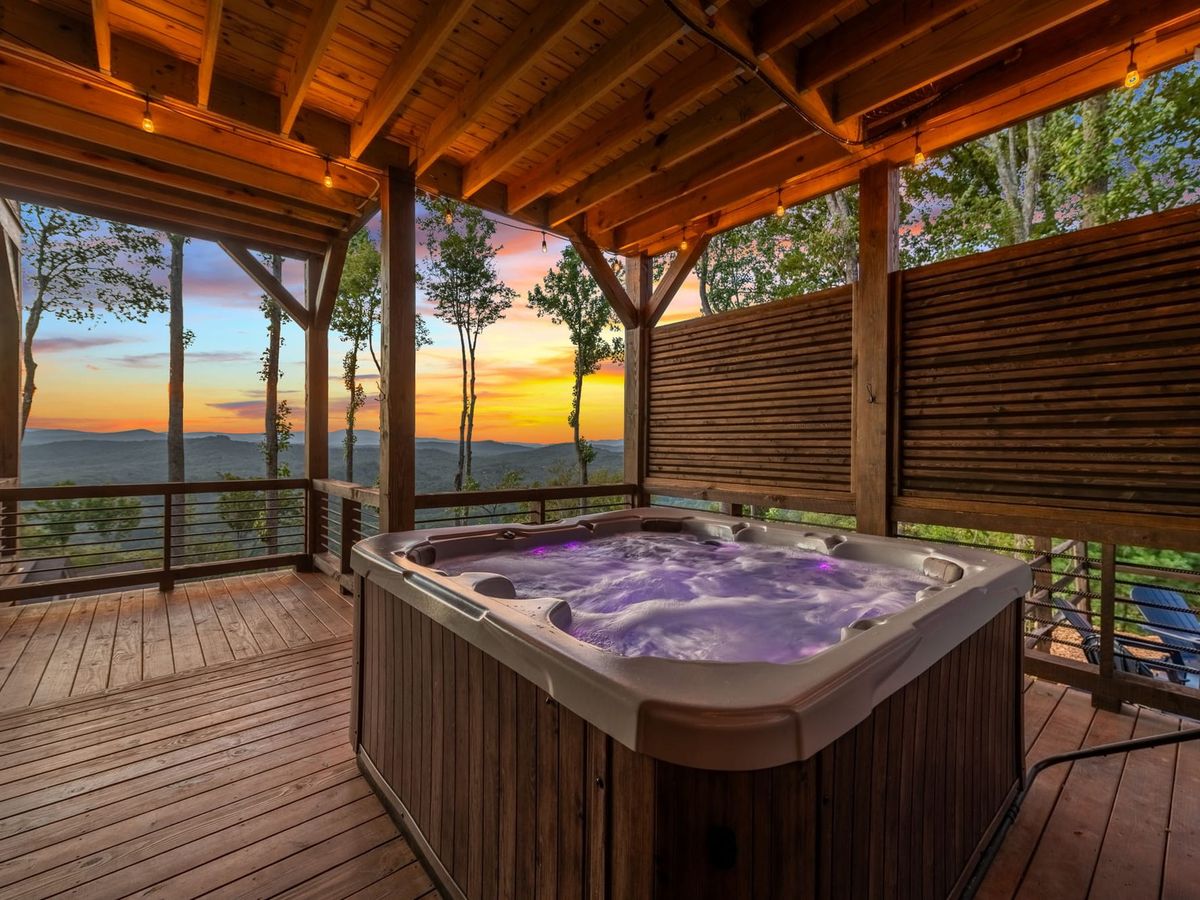
Some people like to use a wellness vacation as a tool to get a jump start on healthier habits. It’s easier to focus on self-care when you are not overwhelmed by work, deadlines, and routine commitments.
For example, if you want to lose a little weight, you may pre-plan healthy meals and order the groceries you need for most of your meals. You may book a cooking class to learn techniques that support your new lifestyle. You can fill your day with outdoor recreation, bicycling to see the sights, or even a personal trainer appointment. Relax in the evening with a dip in the pool or sauna session before a restful night’s sleep.
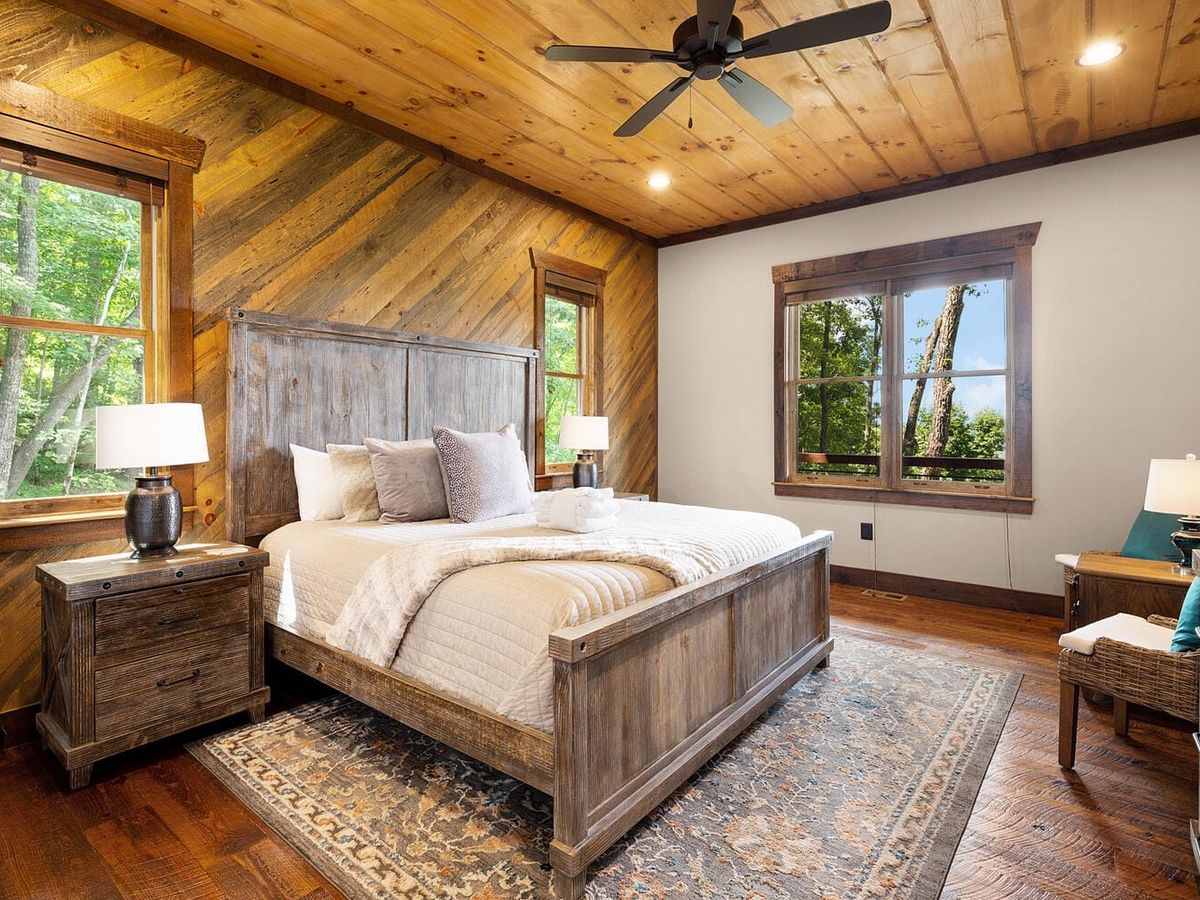
In day-to-day life, many people struggle with stress and getting enough sleep. According to a Harvard study, too much screen time, especially before bedtime, can get in the way of a good night’s sleep and increase stress hormones.
Vacation is a great time to reduce screen time and “detox” from the stress of always being plugged in.
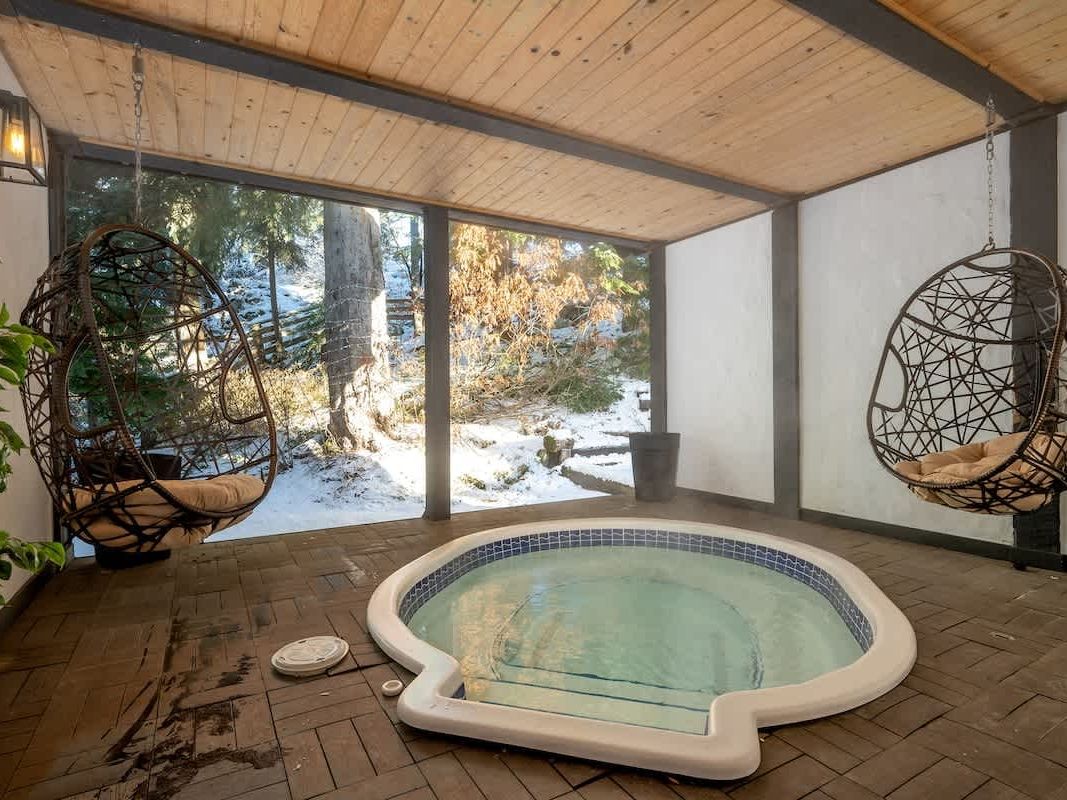
Most wellness trips fail because they're not planned with any real intention. You arrive, you mean to do yoga every morning, and by day two, you're sleeping in and scrolling your phone. Here's how to make it stick.
1. Set one or two real intentions before you pack. Not a vague "relax more", something specific. Better sleep. Daily movement. No work emails. Cooking one healthy meal a day. Intentions give the trip a spine and make it easier to make good decisions in the moment.
2. Plan your meals before you arrive. Order groceries for your rental in advance so your first morning isn't a scramble. Map out two or three restaurants that align with how you want to eat. Consider booking a local cooking class, learning to make one dish well is the kind of thing that sticks long after you get home.
3. Build movement into the day as exploration, not exercise. Rent a bike and ride to the market. Hike to the viewpoint instead of driving. Book one session with a local yoga instructor who knows the area. When movement feels like part of the adventure, you actually do it.
4. Hydrate more than you think you need to. Travel dehydrates you, flying especially. Fatigue, brain fog, and poor sleep on vacation are often just dehydration in disguise. Keep a water bottle within reach from the moment you land.
5. Create a real morning ritual. Even ten minutes. Step outside, make something warm to drink, and sit with it before reaching for your phone. If your rental is near a temple, park, or quiet green space, use it. Stillness in the morning sets the tone for everything that follows.
6. Use downtime, even waiting time, for mindfulness. Layovers, transit rides, the quiet hour before everyone wakes up. These pockets of unscheduled time are genuinely useful. Put headphones in, set a five-minute timer, and just breathe. You don't need a meditation app or a cushion. You just need to stop filling every gap with noise.
7. Set a screen boundary and hold it. No phones at the dinner table. No scrolling after 9 pm. Give yourself one hour in the morning before you check anything. It sounds small but the cumulative effect on your sleep and stress levels over a week is significant. Vacation is the easiest time to try this because the usual triggers aren't there.
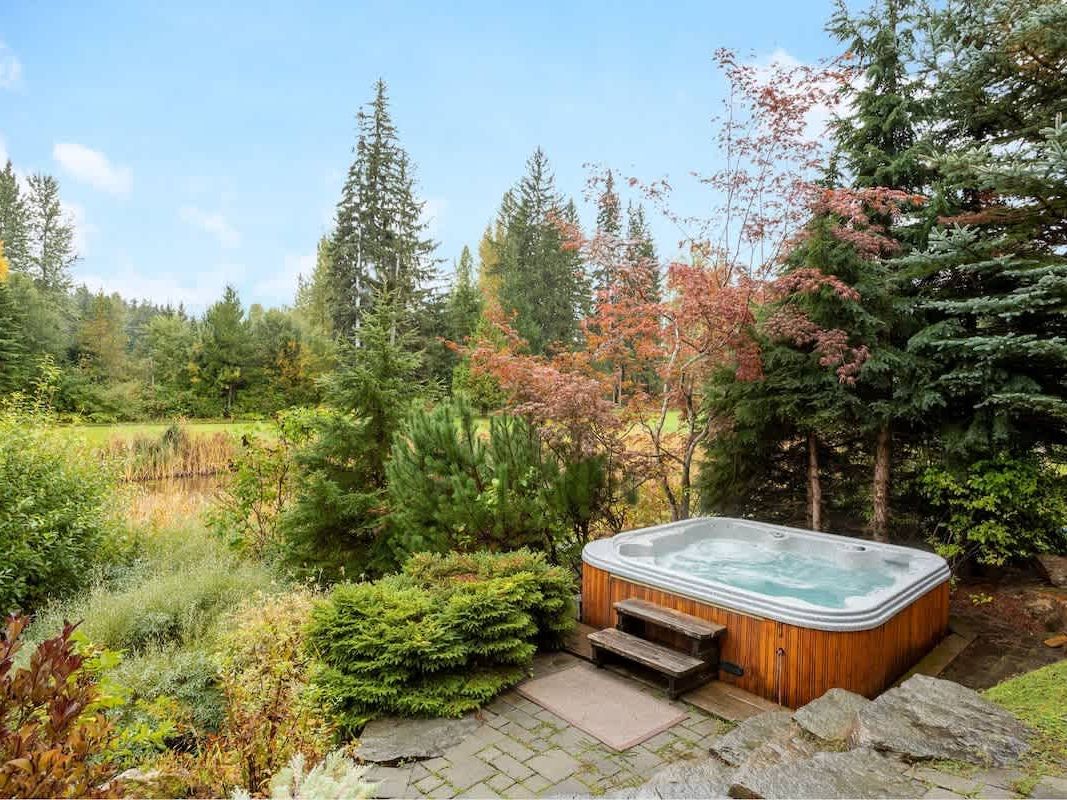
The right home makes the whole thing easier. Look for properties with natural light, outdoor living space, a soaking tub or sauna, and a fully equipped kitchen. Soft, calm interiors matter more than you'd think. A space that feels serene actually helps you feel that way. For travelers with dietary restrictions or specific health goals, having your own kitchen removes the stress of navigating menus three times a day. You cook what you want, when you want, with ingredients you choose.
Our 100 Collection partners offer homes that promote wellness and relaxation in some of the most beautiful destinations throughout the U.S.