Whistler is known for its ski slopes, making winter the most popular season. However, there’s so much more to this resort town. If you only consider the coldest months, you could easily miss some of the more spectacular scenery throughout the year. It’s worth looking at the practical pros and cons of every month.
Winter
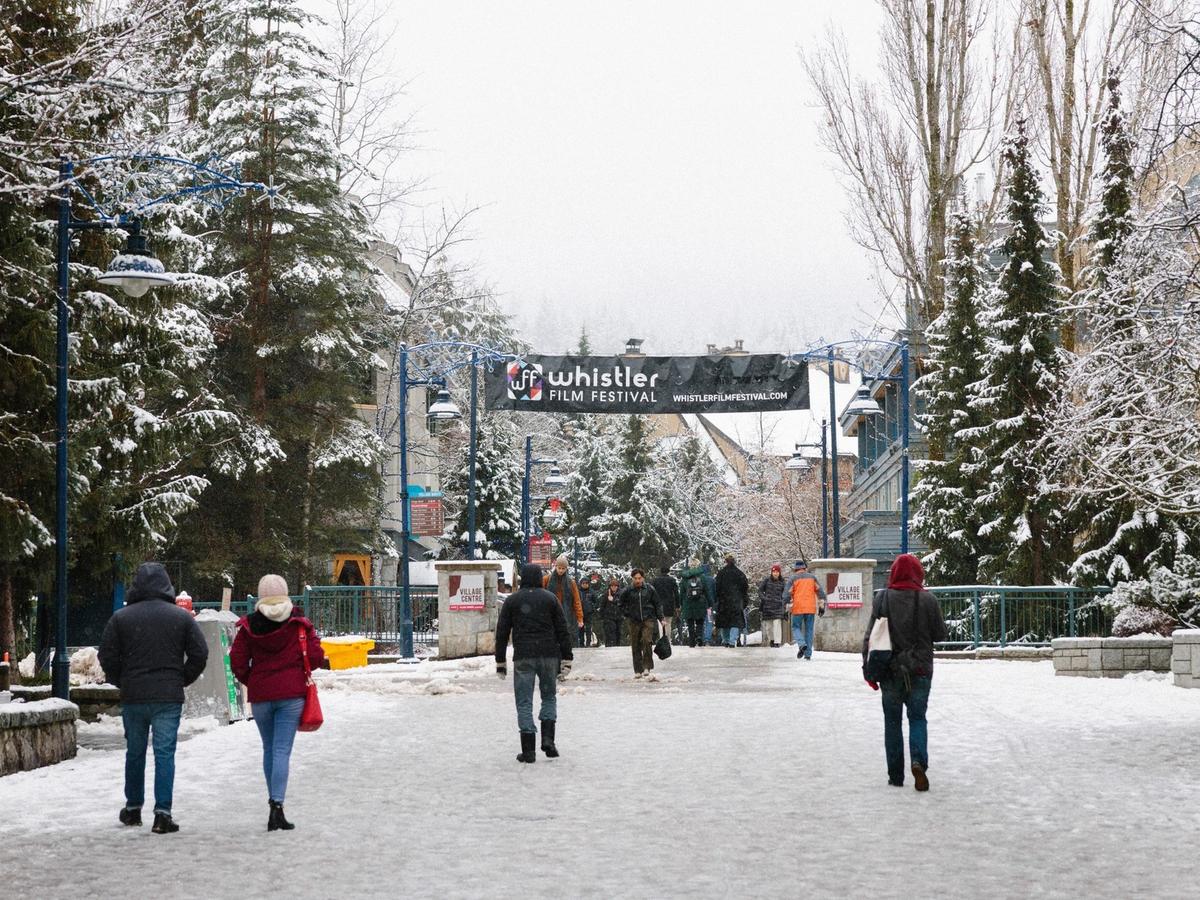
Photo Credit: @Whistler Film Festival
Whistler in the winter is at the height of its powers. In addition to skis, you can see everything from inner tubes to dog sleds. Temperatures can dip down as low as the 20s, but it’s not unusual to see 40 degrees in the afternoon.
All those visitors bring out the best in the town. Residents, city officials, and business owners hang twinkling lights to combat the grey days and musicians show off their talents in multiple venues, and festivals abound. Plus, there are several major events over the winter, including the Film Festival in December and the Pride and Ski Festival in January.
Here are a few recommendations to make the most of winter:
- There are endless chances to learn how to ski (or to get better at it), so try a lesson if you want to improve.
- Whistler is the largest resort town in North America, and it can take some time to get acquainted with its many trails. Planning it all out before you go (including the rules of different operators) can make a huge difference in the quality of your trip.
- If you need to rent gear, consider Premium Mountain Rental, Spicy Sports, or Black Tie Ski Rentals, all of which boast quality equipment and friendly service.
When it comes to booking a more affordable rental, many of the serious athletes prefer late November and early December. The crowds are a little lighter and the snowfall is a lot heavier. If you’re booking for the holidays, you’ll get to see all of the town’s best commercial attractions, including the decked-out shops. You just might have to get up a little earlier if you want to avoid the lines at the slopes.
Spring
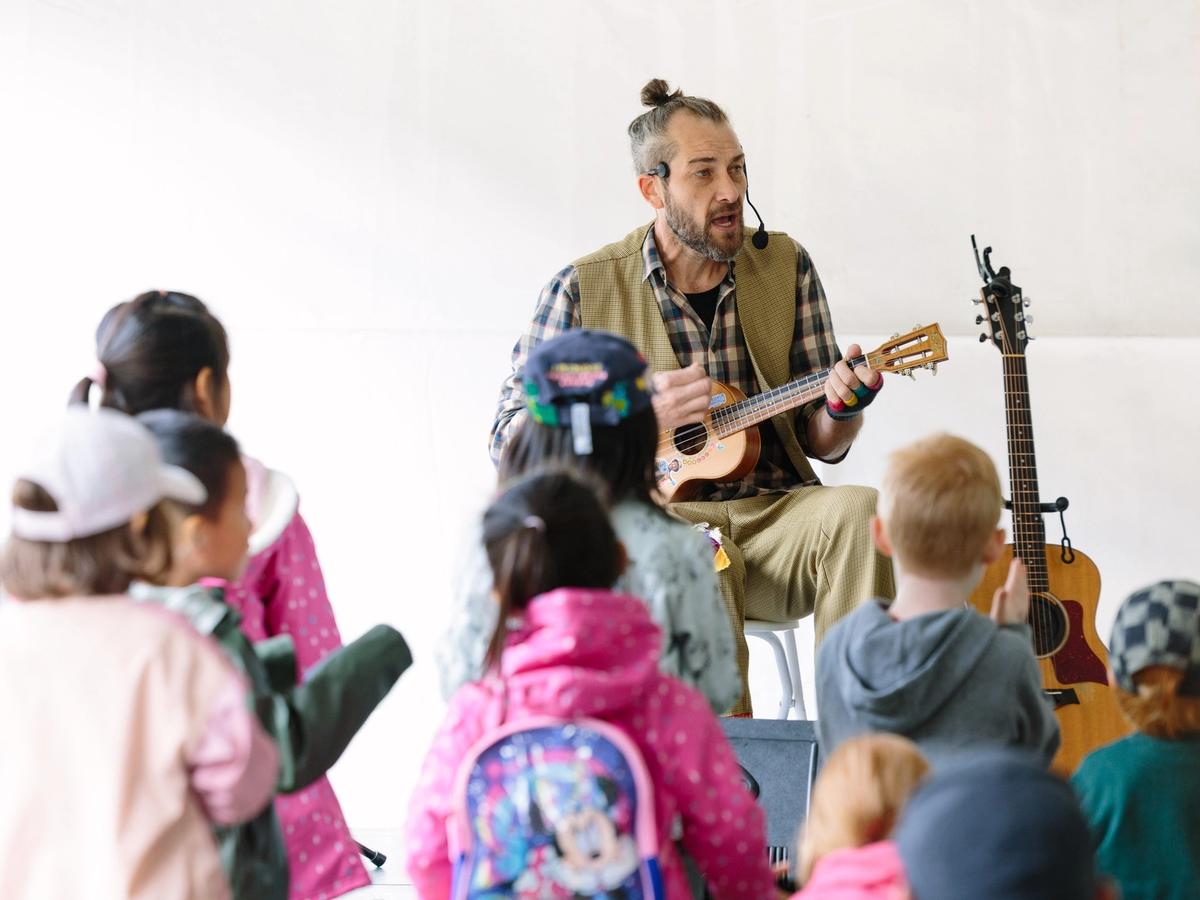
Photo Credit: @The Children’s Festival
Springtime is probably the most unpredictable season in Whistler. If you come in late March, you’re liable to catch the tail end of powder month, so named for its intense snowfall. You can also get warmer temperatures through May, even reaching into the 60s.
However, hikers may not want to break out their boots just yet, as they can easily face some unnavigable trails (that are far more ice than dirt). The big festivals in the springtime include the World Ski and Snowboard Festival, Whistler Cup, and the Children’s Festival. While the crowd may not be the same as those around the holidays, you can still expect to catch some entertainment or unexpected surprises.
Depending on the weather, you can expect to plan anything from snowboarding to bear watching to nature tours to ATVs. If you’re planning to hit the slopes, keep in mind that you may still need to wait until the sun warms the mountain in March and April if you don’t want to contend with icy trails. By May, you’ll start to see the mountains looking a little less packed.
Summer
Summer may be low-season, but that doesn’t mean it doesn’t offer some amazing activities. This is a great time to check out the wildflowers in the mountains. This ‘second springtime’ in the upper elevation is stunning, but the downside is that it’s not always easy to predict when you’ll see the most vibrant colors. Usually, you won’t be disappointed if you head out on the trails in mid-July, though you may see them as late as mid-August.
You can also go fishing, ride in a floatplane along the glaciers, or sunbathe on the sands of Alta Lake. With temperatures reaching close to the 80s, summer is a great time to hike, bike, and then refuel at a food truck or one of the many gourmet restaurants in town.
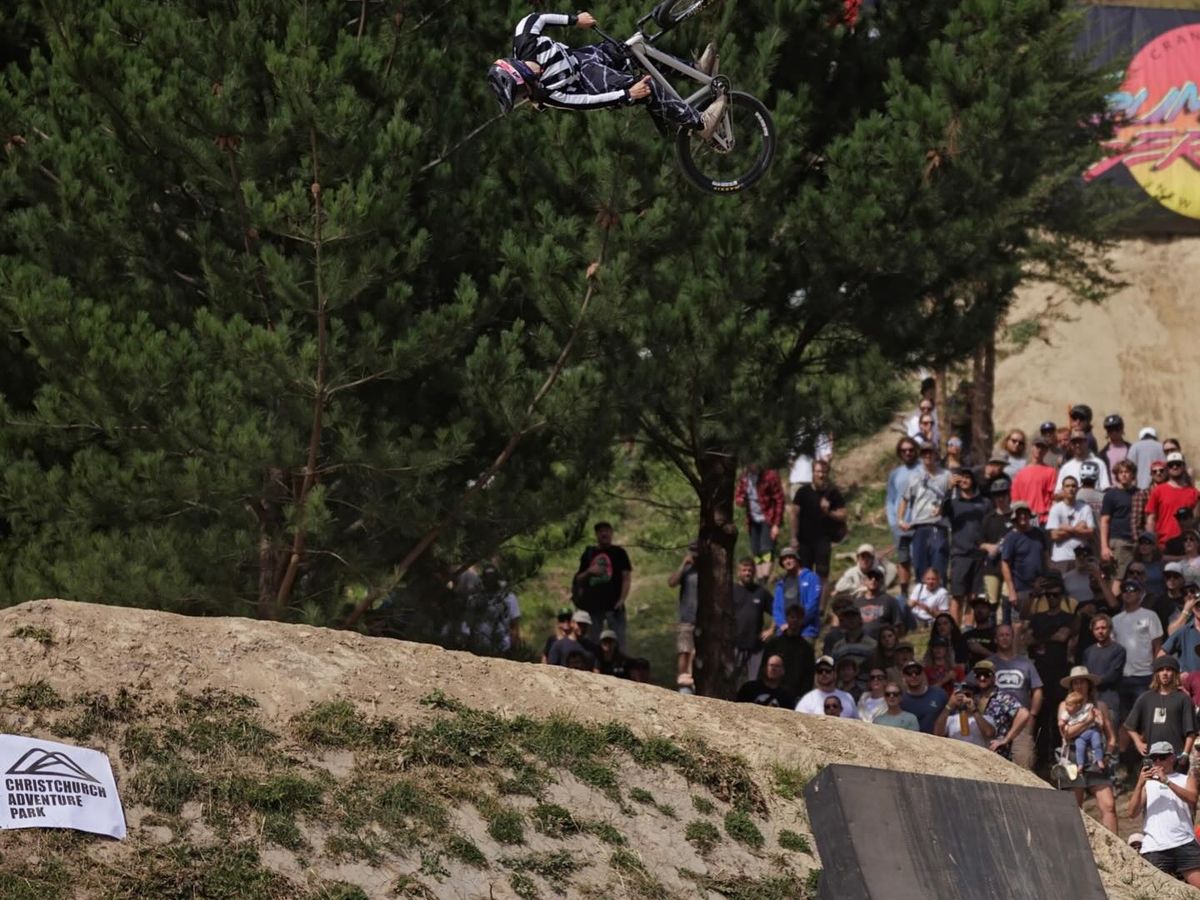
Summer events typically draw the athletes, and include a half marathon and swimrun (where racers alternate between trail running and open-water swimming). Festivals include the Crankworx Mountain Bike Festival in August, where you can see all kinds of death-defying jumps and the Whistler Summer Concert Series in August/September.
Fall
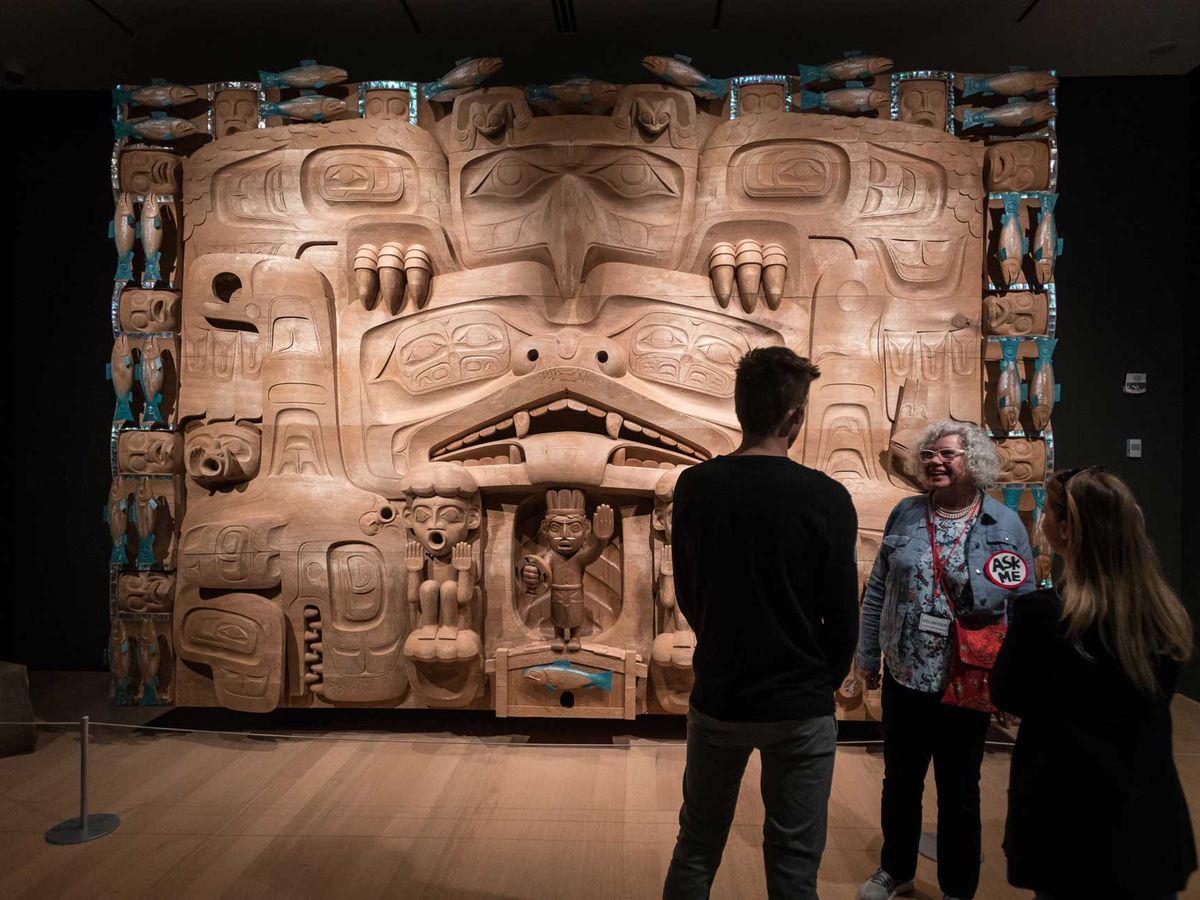
Photo Credit: @Audain Art Museum
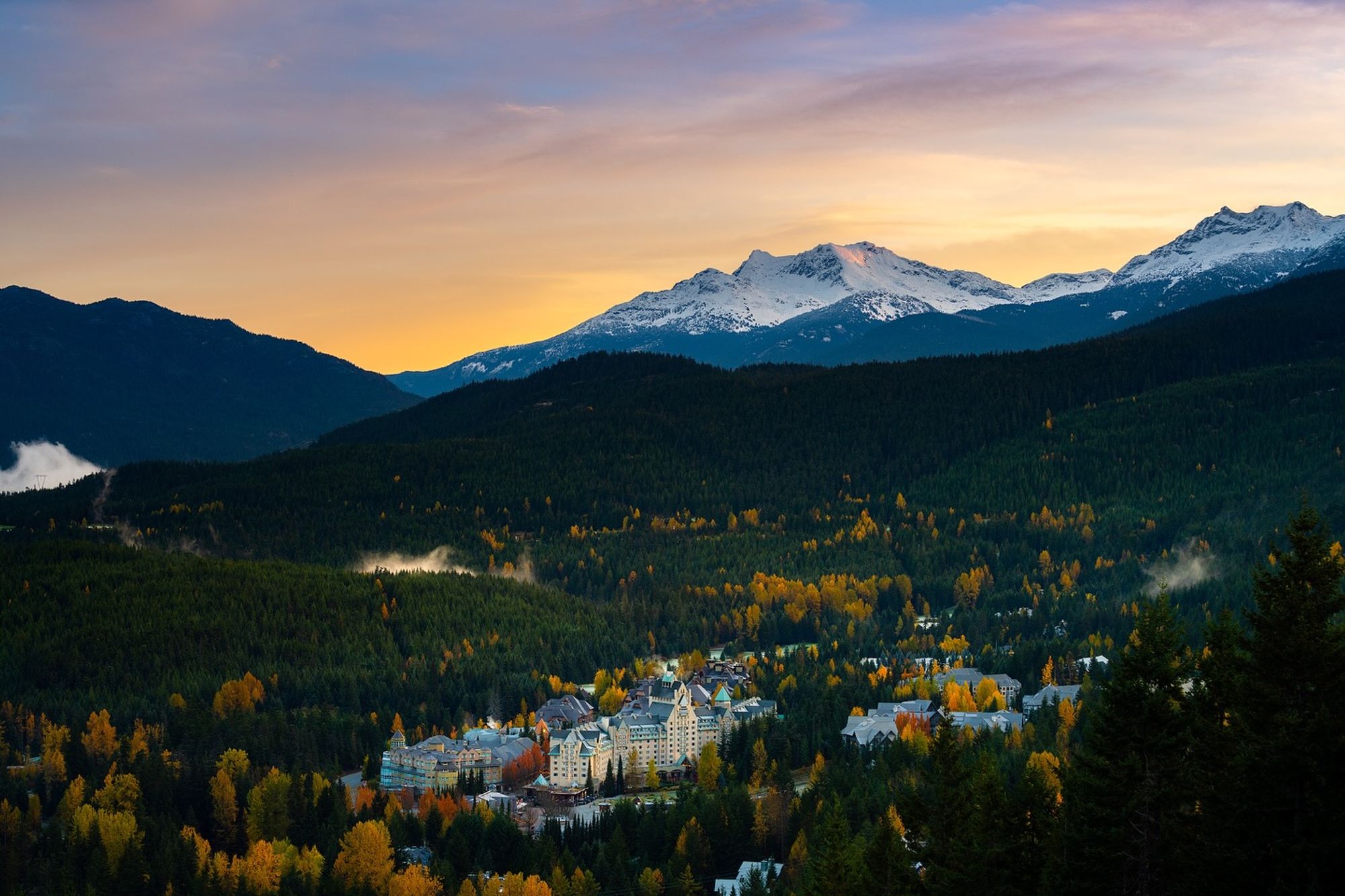
Fall is a good time to visit Whistler if you’re looking for the best shoulder experience, because the temperatures are known for their swing. Of course, even if fall is a little more predictable than spring, that doesn’t mean you still shouldn’t keep your expectations in check.
Fall favorites include skiing, fishing, biking, and hiking. You can also find stunning foliage everywhere, but particularly in the Coast Mountains. Breathe in these spectacular views on the Peak 2 Peak Gondola at the base of the Blackcomb Mountains. Thanks to the sun and temperatures in the high 60s, there are also plenty of festivals. Foodies can visit Cornucopia in November for its seminars, tastings, and exclusive dinners. Or the Whistler Village Beer Festival in September featuring craft beer, canned cocktails, and delectable cider.
Here are a few more things to consider if you’re targeting autumn:
- Whistler offers wild mushroom identification trips. If you’re a big fan of porcini or bears-head, fall is a good time to head out in search of your favorite food.
- While tourism does ramp up in fall, some businesses may not return until peak tourism season. You may also notice that some summer activities or trails aren’t available.
- Fall can also be a great time to explore indoor activities, like axe throwing, the Audain Art Museum, or the Squamish Lil’wat Cultural Centre.
Much like spring, autumn can deliver a wide range of weather to its tourists. The more you keep your options open, especially if you're coming in the earliest or latest parts of the season, the more success you're likely to have.
Whistler has activities and attractions for every visitor, and even if the weather doesn't always cooperate, you're unlikely to run out of options. Whether you want to ski, take a bike ride, spend all day hiking, or shop til you drop, the resort town doesn't disappoint. If you're looking for a luxury rental, the 100 Collection's partner, Whistler Platinum, offers properties that live up to the scenery lying just outside.